
Categories
Recent Posts
How Often Should Switchgear Be Tested? Inspection Frequency Guide
January 10, 2023
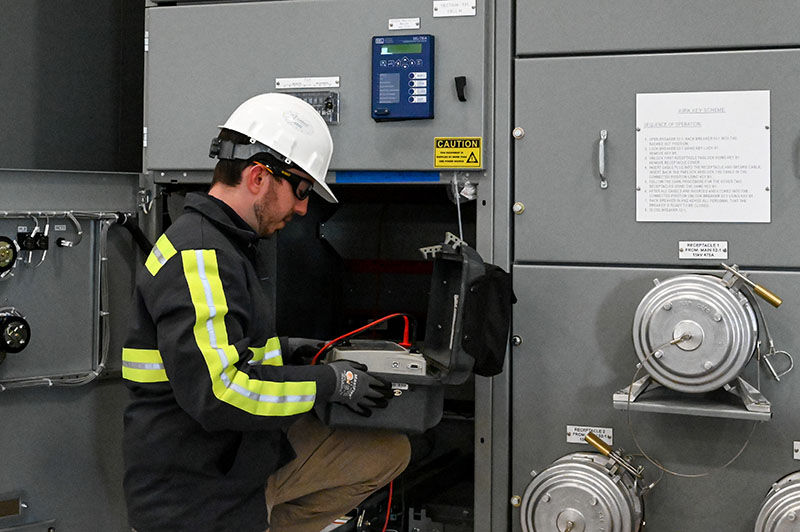
First, let’s cut to the chase. NETA sets the base intervals: a visual inspection every year and full electrical testing every two years for most switchgear. Those intervals tighten when equipment is in poor condition, sits in a harsh environment, or is critical to your operation. The switchgear maintenance page breaks down each task, who should perform it, and how often.
Your Schedule or the Machine’s?
Preventive maintenance services are just good business. All machines will eventually need servicing, and all components will fail sooner or later. The decision isn’t whether maintenance is necessary; but whether the service occurs on your schedule or the equipment’s.
Emergency services from the unplanned maintenance demands of a run-to-failure maintenance program can be considerably more expensive than planned work. Plus, we must factor in long wait times for replacement parts and unhappy customers while you’re waiting. Preventative maintenance keeps you in control of downtime, and including your switchgear in the rotation is critical.
Switchgear Prevents System Damage
Switchgear isolates and protects critical components when a fault occurs, disconnecting the affected section before damage spreads. When it is properly maintained, it protects people and equipment. When it is not, the failure of a single disconnect switch puts your crews at risk. For a fuller explanation of what switchgear is and how it works, see our guide.
Classifying Switchgear
Low voltage switchgear is rated up to 1kV. Medium voltage runs from 1kV to 38kV. Anything above 38kV is considered high voltage.
Switchgear may also be broadly classified into indoor and outdoor types. The type to use is based on the housing necessary to prevent damage to the switchgear and safeguard workers during normal operation and maintenance.
Because of the variety of needs and demands, the switchgear configuration is usually unique to the operation. Developing a maintenance schedule requires careful inspection and consideration of the devices and then balancing those with the operation’s needs.
Everything Works Fine… Until it Doesn’t.
Assigning a low priority to switchgear maintenance is an expensive mistake that puts the safety of your crews at risk. The increase in downtime and loss of production due to failure to maintain essential electrical equipment can quickly cost far more than the work to maintain it.
An injury event can have a deep personal impact on the employees of a company. Not to mention the resulting legal and medical expenses, visits from OSHA, and potential further shutdowns that can be impossible for some companies to overcome.
Determining when and what to check isn’t as complicated as it may seem. We have compiled a list of common equipment types, what maintenance procedures are necessary, which inspection processes to use, and, of course, how often each needs to be completed. You can print our easy-to-read Periodic Maintenance Schedule PDF to keep your equipment on track.
Thoughtful routine maintenance is less stressful and less costly. It creates a safer working environment for personnel and adds years of useful working life to expensive equipment. The key is to partner with an industry expert who understands your unique configuration and the demands on your equipment. That way, you can determine how often your switchgear should be tested and develop a plan that makes the most sense for your production schedule and budget.
Our case study on low and medium voltage switchgear testing shows how scheduled testing caught problems before they caused an outage. To put a schedule in place for your own equipment, see our switchgear maintenance services.